Tamia Wright, a 43-year-old participant in New York City's Community Syringe Redemption Program, told reporters what she plans to do with her needle money: spend it on "weed ... and cigarettes."
She also called the program "definitely a side hustle."
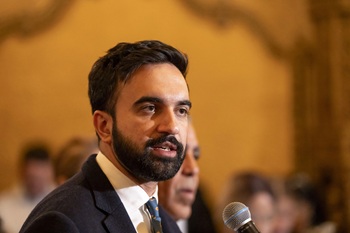
Mayor Zohran Mamdani's administration just made this permanent. His first city budget — a $126 billion spending plan — quietly set aside $3 million to continue the program beyond its pilot phase. The funding appeared in budget documents submitted to the New York City Council on June 30.
Here's how it works. Participants receive 20 cents for every used syringe they turn in, capped at 50 syringes — or $10 a day. The city operates eight redemption sites: five in the Bronx, one each in Brooklyn, Manhattan, and Queens. Since the pilot launched in March 2025, the program has collected over 2.3 million syringes and paid out approximately $292,000 to more than 1,700 participants.
The money comes from more than $189 million in opioid settlement funds the city received from major pharmaceutical manufacturers and distributors. Queens Republican Councilwoman Joann Ariola pointed out the obvious problem with that arrangement. The settlement money "should all be going toward addiction treatment services — not for paying users to turn in their needles," she said.
She's not wrong. Those opioid settlement dollars were extracted from drug companies specifically because their products destroyed lives. The stated purpose was recovery and treatment. Instead, New York City is using the money to pay active drug users a daily stipend — not to get clean, not to enter treatment, but to return the physical evidence of their drug use.
Health Department spokesperson Rachel Vick defended the program, saying it helps residents "live in a community free of syringe litter." But the question isn't whether picking up needles is worthwhile — it's whether paying addicts cash with opioid settlement money is the mechanism a functioning city would choose. You could hire sanitation workers. You could fund sharps disposal boxes. You could put that $3 million into the treatment programs.
Progressive City Council members passed the legislation creating this program in 2022. Mayor Mamdani made it permanent in 2026. And a participant is on record calling it a side hustle she uses to buy more drugs.
That's not harm reduction. That's a vending machine.