
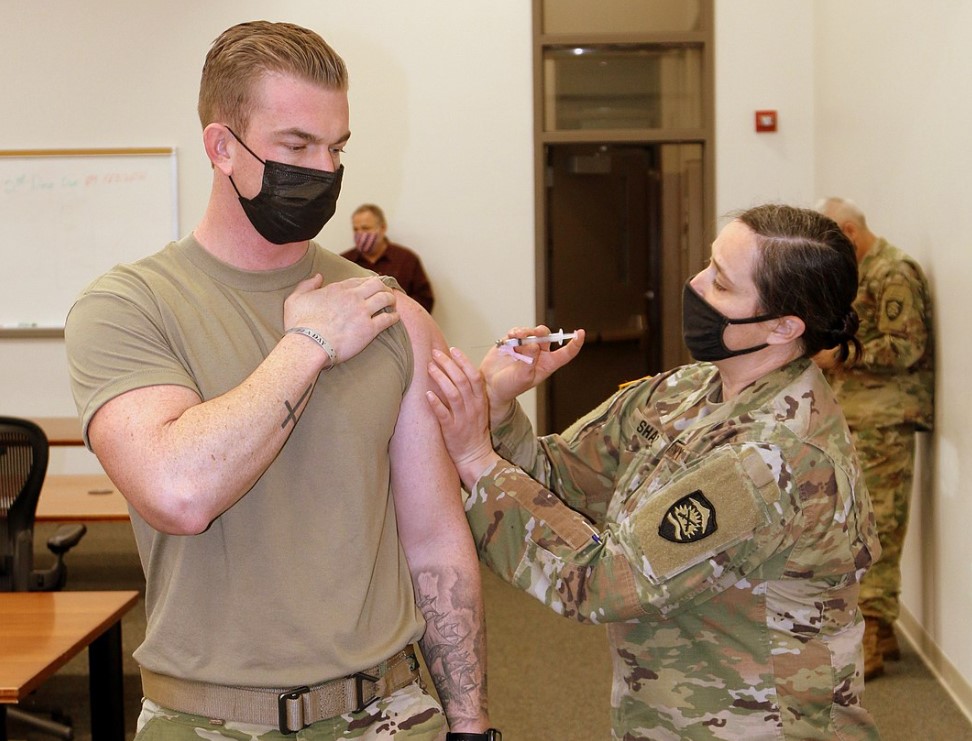
Every active-duty service member and reservist age 30 and older will now get mandatory bloodwork checking their testosterone levels. The requirement took effect immediately after the Pentagon rolled out the screening framework this week — no phase-in period, no pilot program, no eighteen-month study group.
Two years ago the military was handing out pronoun training slides. Now it's drawing blood.
Secretary of War Pete Hegseth first announced the expanded testosterone testing plans back in July, and the Pentagon wasted exactly zero time turning talk into policy. Men 30 and older get automatic screening as part of routine health checks. Younger troops get tested if they show symptoms or request it. Female service members are assessed under a separate protocol focusing on fatigue and menstrual cycle irregularities, with postmenopausal women eligible for off-label testosterone therapy in narrow clinical circumstances, as reported by ZeroHedge.
The logic here isn't complicated. Hormonal deficiencies affect everything from physical endurance to cognitive sharpness to recovery time. If you're asking a soldier to carry 80 pounds of gear through hostile terrain, you'd better know whether his body is actually producing what it needs to keep him combat-ready. This isn't a wellness retreat initiative. It's a readiness initiative.
The FDA has scheduled a meeting of medical experts for mid-September to discuss testosterone therapy protocols more broadly — a sign that the conversation around hormonal health in military populations is moving from the Pentagon into the regulatory apparatus. Whether that meeting produces anything useful remains to be seen, but the military isn't waiting around for the bureaucrats to finish their PowerPoints.
Some doctors have raised questions about whether testing healthy troops actually improves performance, warning that borderline hormone levels could push service members toward unnecessary treatment and potential side effects. Which is a reasonable medical question — if you strip away the context. The context is that we spent four years treating the military as a social engineering laboratory. Readiness metrics cratered. Recruitment fell off a cliff. And the people now wringing their hands about "over-testing" were conspicuously silent when the military was prioritizing sensitivity seminars over physical standards.
This is part of a broader pattern under Hegseth's leadership at the Pentagon — a systematic pivot back to the idea that the military exists to fight and win wars, not to validate campus ideology. The testosterone screening isn't an isolated wellness checkbox. It sits inside a readiness-first framework that treats the physical capacity of the individual warfighter as a national security variable.
The previous administration treated hormone science as a cultural battlefield — but only when it involved blocking puberty in teenagers. Screening adult warriors for deficiencies that directly impair combat performance? That apparently never made the priority list.
Funny how "follow the science" only applied when the science pointed left.