
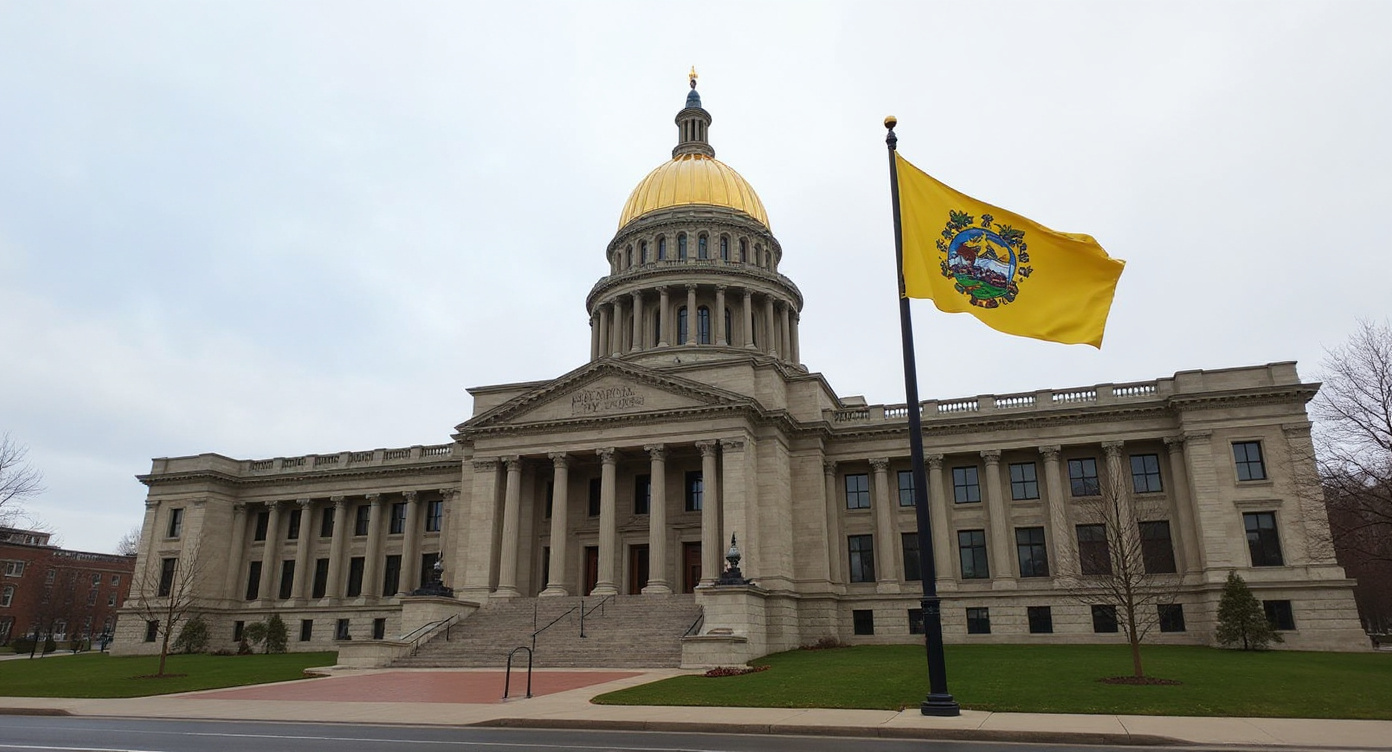
On July 3rd, the city of St. Cloud, Minnesota hosted a Somalia Independence Day celebration. During the event, a U.S. flag was flown upside down on a city flagpole. Organizers called it an accident. Whatever the intent, the image — an inverted American flag the day before Independence Day, in a city that didn't used to need this particular kind of explanation — tells you something about where Minnesota is right now.
Tim Walz's Minnesota isn't a cautionary tale anymore. It's a finished product.
The state now has the highest Somali population in the nation. Entire neighborhoods in Minneapolis have earned the nickname "Little Mogadishu." And Ramsey County Sheriff Bob Fletcher has documented more than 100 Somali gang-related shootings in just the past two years.
One hundred shootings. Two years. One county.
Minneapolis City Council Vice President Jamal Osman, a Somali immigrant, was asked about the gang violence. His answer: "Somali youth deserve investment, dignity, opportunity, and respect — not public officials using their platform to stereotype them." It's a practiced line. It doesn't address the hundred shootings. It doesn't have to — not in a city where the political infrastructure has been built to treat every public safety concern as evidence of bias rather than evidence of a problem.
That infrastructure runs deep. Minnesota's Democratic-Farmer-Labor Party has become a mechanism for moving activists into elected office and state policy positions. The Democratic Socialists of America and the AFL-CIO operate as kingmakers in the state's Democratic primaries — organizations explicitly committed to reshaping institutions from within. The pipeline from organizing to governance is now mature enough that the distinction between the two has largely collapsed.
Then there's the fraud. The Feeding Our Future scheme funneled what federal prosecutors say was approximately $250 million in pandemic relief funding through sham nonprofits — childless daycares, fake trucking companies, phantom autism centers, fictitious home health care firms. The money was supposed to feed children. It didn't. The oversight that was supposed to catch it didn't exist. The political class that was supposed to be watching was busy building coalitions.
Governor Walz responded to all of this the way he responds to most things: by ignoring the parts that don't fit the narrative. No serious crackdown on the fraud. No meaningful response to gang violence beyond requests for more funding. No acknowledgment that the state's trajectory has moved somewhere most Minnesotans never voted for.
The DFL doesn't run Minnesota like a political party. It runs it like a closed loop — activists produce candidates, candidates produce policy, policy produces more activists. Concerns about public safety get reframed as stereotyping. Questions about fraud get met with more funding requests. The numbers keep climbing. The accountability stays flat.
An inverted flag at a July 3rd celebration. A hundred gang shootings in two years. A quarter-billion-dollar fraud that nobody stopped.
That's not a stereotype. That's a police report.