
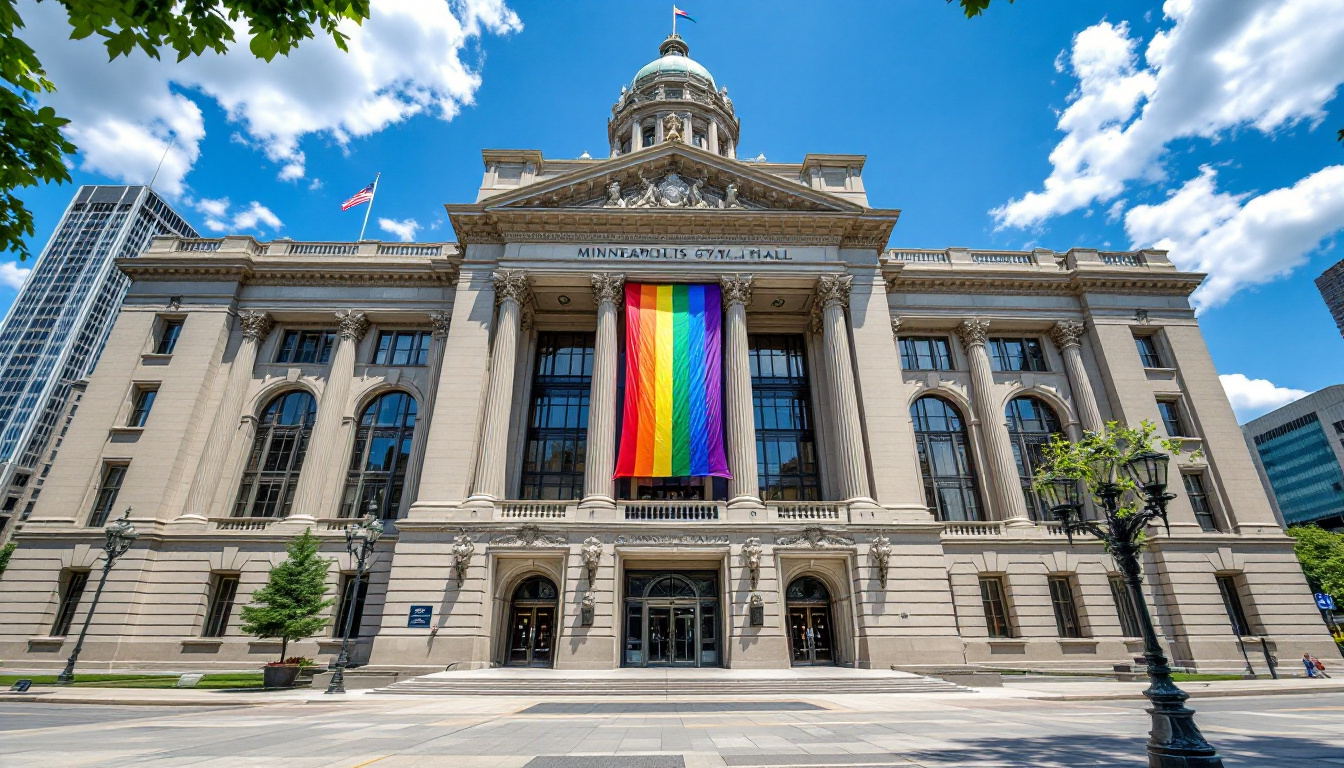
On Sunday, Minneapolis Mayor Jacob Frey signed the Bathhouse Repeal Ordinance into law at City Hall — then walked outside to join the Twin Cities Pride Parade. The 38-year-old ban on adult bathhouses and sex venues, enacted in 1988 at the height of the AIDS crisis to slow the epidemic that was killing gay men by the thousands, is now officially dead.
The timing was not an accident.
The Minneapolis City Council voted 9-2 on June 25 to repeal the ban, with one member abstaining and one absent. The two ordinances update zoning regulations, establish licensing requirements for venues permitting consensual sexual activity, and revise city health standards. The full package, branded the "Pride in Policy" initiative, landed on the mayor's desk four days before the parade.
Frey posted to X after the signing: "Minneapolis stands with our LGBTQIA+ neighbors — we always will. That's why I'm proud to have stood with members of the City Council and community advocates to sign the Bathhouse Repeal Ordinance and Pride in Policy package into law."
Councilmember Jason Chavez, described as the first LGBTQ+ Latinx member of the Minneapolis City Council, framed it as a civil rights triumph. "These are places of refuge," Chavez said, "and I think it's important to acknowledge that these establishments were even picketed by signs that said 'AIDS kills' and 'avoid gay bathhouses.'"
Councilmember Robin Wonsley, an independent Democratic Socialist, added that "our LGBTQ2S+ communities have long been advocating for this policy." Dylan Boyer, Development Director of the Aliveness Project and a member of the Safer Sex Spaces Coalition's steering committee, called the signing "a huge day" and said the real work begins now — taking "the necessary steps to build a bathhouse."
Not everyone on the council was swept up in the celebration. Councilmember Elizabeth Shaffer, one of the two dissenting votes, offered a blunt counterpoint: "I don't think this is a top priority for expanding city services."
She's the only one who sounds like she remembers what the ban was for.
The original ordinance was passed in 1988 because men were dying. The bathhouse scene in Minneapolis had already drawn a federal spotlight — in 1979, the city's largest adult bathhouse was raided in what became the biggest such raid in U.S. history, with 9 people criminally charged and 125 ticketed. When AIDS arrived and the death toll mounted, the city acted. The ban wasn't born from bigotry. It was born from body bags. Numerous gay men themselves supported it at the time because their friends were dying.
Advocates for repeal argue that advances in HIV prevention — PrEP, better testing, improved outreach — have made the ban obsolete. The council's framework requires future public hearings and additional votes before any venue could actually open. Supporters say regulating these spaces is safer than pushing activity underground.
That's a public health argument, and it's not an unreasonable one on paper. But that's not how Minneapolis sold it. They didn't hold a sober policy hearing in February and quietly update the health code. They staged a ceremonial signing on the steps of City Hall on Pride Sunday, packaged it as the "Pride in Policy" initiative, and sent the mayor straight to the parade. The policy question got answered inside a celebration.
As Blaze News first reported, Karri Joe Plowman, founder of Twin Cities Leather, said she'd been working on the repeal since 2017 and called it "a great first step." A first step toward what, exactly, is left to the imagination — and to the future zoning hearings that the council still has to schedule.
The 1988 ban existed because a city watched an epidemic kill its residents and decided the venue fueling transmission needed to close. Thirty-eight years later, the same city repealed it — not with a medical journal citation, but with a parade float.