
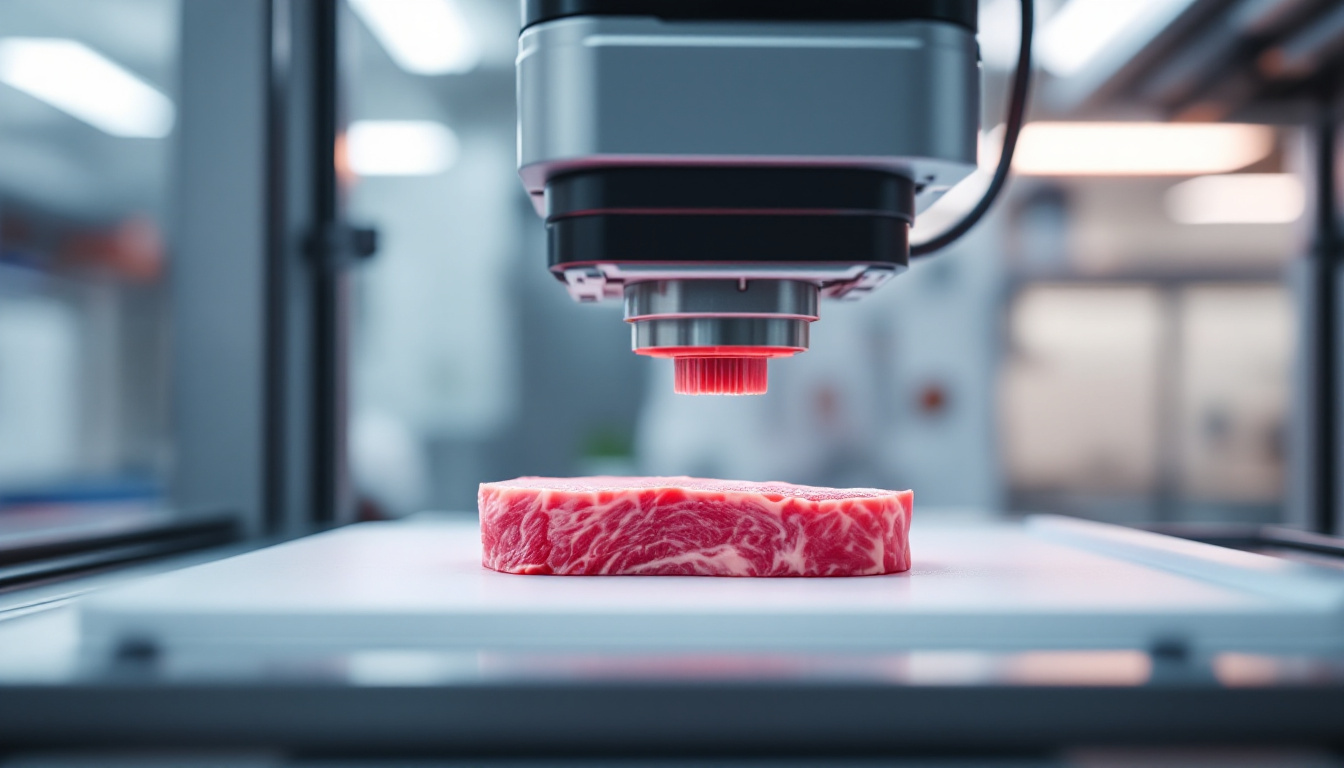
Somewhere in a lab, a printer is extruding what Steakholder Foods Ltd. calls a "Plant-Based Marbled Steak." Not growing it. Not butchering it. 3-D printing it. The Israeli food technology company just announced commercial placement of its Perfecta™ Premium Plant-Based Meat line on grocery store shelves across the Northeastern United States.
The product lineup includes Plant-Based Filet Mignon made with a 3-D printer.
Steakholder Foods CEO Arik Kaufman framed the U.S. launch as a milestone. "Our launch in the Northeastern United States represents an exciting step forward," Kaufman said. The full Perfecta™ line includes Plant-Based Marbled Steak, Plant-Based Filet Mignon, Plant-Based Chicken Breast, Plant-Based Salmon Patties, and Plant-Based White Fish Patties — distributed through KeHE Distributors, a major natural and specialty food distributor handling the rollout to retail locations across the Northeast.
The company's proprietary technology uses 3D printing combined with plant-based ingredients to replicate what it describes as "the authentic experience of enjoying a wholecut of meat." Kaufman added, "We believe the plant-based category is ready for a new generation of products." Whether American consumers believe the same thing is a question the plant-based industry has been losing for three straight years.
Steakholder Foods isn't new to the synthetic protein space. The company previously partnered with Singapore-based Umami Meats to develop 3D-printed fish fillets. Israeli Prime Minister Benjamin Netanyahu visited Steakholder Foods in 2023 to sample their 3D-printed fish products — a photo op that generated headlines but apparently not enough consumer demand to skip straight to the American market at the time.
Three years later, here we are. The plant-based meat category that was supposed to revolutionize American dinner tables has instead watched Beyond Meat's stock crater, grocery chains shrink their alternative protein shelf space, and consumers return to actual beef in record numbers. The industry's answer to collapsing demand is not to reconsider the product. It's to make the product weirder.
When your selling point is the manufacturing process rather than the taste, you've already conceded the argument. Nobody walks into a steakhouse and asks how the ribeye was fabricated. The technology exists to solve a problem that only exists inside investor pitch decks: how do you make a plant taste like an animal without using an animal? The market has answered that question. Repeatedly. With its wallet.
Kaufman's company says it plans to expand retail presence and distribution partnerships to make Perfecta™ products available nationwide as consumer demand grows. Grocery data shows Americans buying more beef, more chicken, more pork. The category Steakholder Foods wants to disrupt is the one category where disruption keeps getting rejected at the register.
The Northeastern rollout makes geographic sense, at least. If you're going to sell 3D-printed filet mignon to Americans, you start where the grocery budgets can absorb a novelty purchase and where the cultural appetite for meat alternatives still has a pulse. You don't launch this in Texas.
What Steakholder Foods is really selling isn't food. It's a thesis — that technology can eventually replace agriculture, that printing a steak is morally and nutritionally superior to raising one, that the future of protein is a factory floor with extruders instead of a ranch with cattle. It's the same thesis that has burned through billions in venture capital across the alternative protein space without producing a single product that Americans voluntarily chose over a hamburger at the same price point.
The Perfecta™ line is now sitting on shelves in the Northeast, waiting for consumers who've already made their preferences clear.