
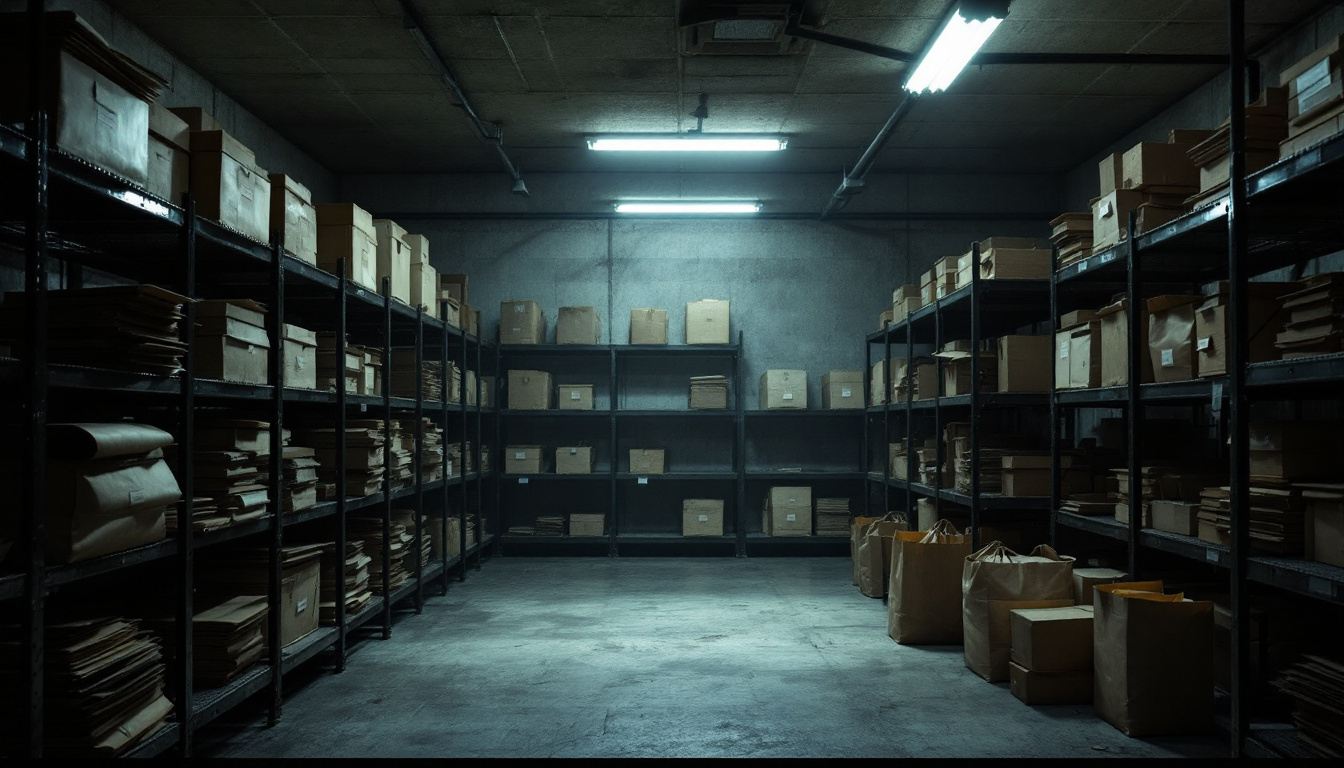
Several hundred pages of documents related to Seth Rich were just discovered in a previously hidden room inside FBI headquarters at the J. Edgar Hoover Building.
The documents were found stuffed in — a Sensitive Compartmented Information Facility, or SCIF — that wasn't on any map the Bureau shared with anyone asking questions.
How does highly sensitive files from a controversial murder case end up scattered in a random room in the FBI's offices? The short answer is they don't -- unless you don't want anyone to find them so you can't be forced to give them to the public via a FOIA request.
In 2017, the FBI told the public it "had no records whatsoever about Seth Rich because it was not involved in the investigation."
Attorney Ty Clevenger has been litigating FOIA requests for Seth Rich documents for nine years. Nine. He's filed motions, fought redactions, and dragged the Bureau into court more times than most lawyers file parking ticket appeals. On June 15, 2026, Clevenger revealed the latest development, "Today an attorney for the government told me that I would soon be getting confirmation that several hundred pages of documents related to Seth Rich were found in a previously-hidden room at FBI headquarters."
That's a significant upgrade from "no records whatsoever."
The hidden SCIF was first reported by Fox News Digital on July 30, 2025. Inside were burn bags — containers of classified files marked for destruction — along with what investigators described as materials connected to the 2016 Crossfire Hurricane investigation. The FBI had already been forced to admit, after years of Clevenger's litigation, that it possessed Seth Rich's work laptop, a personal laptop image, and a DVD. Thousands of pages of documents eventually surfaced through court orders the Bureau fought at every stage.
Clevenger's assessment was blunt: "At the very least, some very high-level people had something to hide."
The timeline matters here. FBI Director Kash Patel took over the Bureau in 2025. Former U.S. Attorney Joe DiGenova is now conducting a grand jury investigation in Miami that touches on these same concealed materials. In April 2025, Clevenger filed a contempt of court motion. By February 2026, the FBI was still defying court orders to produce documents. And now we learn several hundred more pages were sitting in a room nobody disclosed.
The FBI's defense across nearly a decade of litigation has followed a consistent pattern: deny, delay, get caught, admit a fraction, delay again, get caught again. In 2017, no records. Then some records. Then thousands of pages. Then a laptop. Then a hidden room with burn bags. Each revelation arrived only because one attorney refused to accept the Bureau's word.
The DOJ could argue these documents were properly classified and stored according to protocol. Fair enough — explain why the room wasn't disclosed during active litigation. Explain why a FOIA response said "no records whatsoever" while a SCIF in headquarters held hundreds of pages. Classification protocols don't authorize lying to the courts.
Clevenger added one more line to his statement that says more about the state of this case than any legal brief: "BTW, I'm not suicidal. I feel great."
Sounds like someone else has heard about the Clinton suicide list.
That an attorney feels compelled to publish his own wellness status alongside a court filing tells you exactly how normal this investigation isn't. Nine years of "no records" that keep turning into rooms full of documents, burn bags full of classified materials, and a grand jury in Miami.
The FBI didn't misplace these files. You don't accidentally build a SCIF.