
A new kids’ cartoon on Netflix has sparked a big debate online and in the media. The show, called “Dead End: Paranormal Park,” features a main character named Barney, who is a transgender teen. In one episode, Barney kisses another boy. This scene has caused a lot of people, including well-known voices, to speak out.
One of the loudest critics is Elon Musk, the billionaire entrepreneur behind Tesla and SpaceX. He posted on X, formerly known as Twitter, telling parents to “cancel Netflix for the health of your kids.” His post quickly went viral, with many parents and viewers sharing his concern.
BlazeTV host Sara Gonzales also called out the show. She says it’s part of a bigger problem: children’s shows pushing gender and sexuality topics too early. Gonzales argues that kids should be learning basic values and life skills, not being taught about gender changes and same-sex relationships at a young age. She believes entertainment companies are trying to normalize what she calls “radical gender ideology.”
Gonzales pointed to another example. In the popular toddler show “CoComelon,” there’s a scene where two fathers are happily singing and dancing with their child, who is wearing a dress. She says this is another case of media sending messages to young children that parents might not agree with or aren’t ready to explain.
So, what’s really going on here? Is this a case of people overreacting, or is there something deeper happening?
Let’s look at the facts. “Dead End: Paranormal Park” is a cartoon aimed at older kids and teens. The main character, Barney, is portrayed as a brave and kind teen who also happens to be transgender. The show includes scenes about friendship, adventure, and yes, a romantic moment between Barney and another boy. For many in Hollywood, this is seen as a step toward greater inclusion—showing characters who reflect different real-life experiences.
But critics argue that children’s entertainment is not the place for these kinds of messages. They say the shows are no longer just about fun and learning, but are now being used to push political or social agendas. Parents like Gonzales are asking: why are these topics being introduced to children who may not even understand what they mean?
This is not just a one-time issue. Disney has also faced similar backlash. One of its executive producers, Latoya Raveneau, admitted in a public discussion that she had a “not-at-all-secret gay agenda” and was pushing more LGBTQ+ content into Disney programming. This has made many parents uneasy about the direction of children’s media.
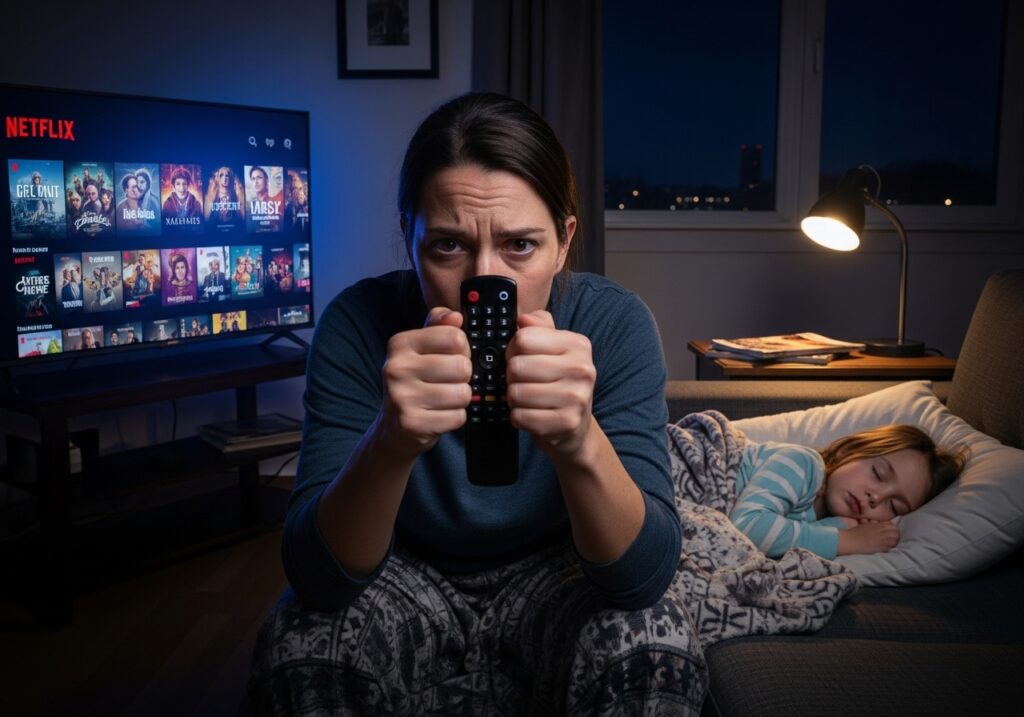
Meanwhile, Netflix’s stock has taken a hit. Though it’s hard to say how much of that is due to this specific show, it’s clear that a portion of the audience is unhappy. Some families are canceling their subscriptions, saying they no longer trust Netflix to provide safe content for their kids.
This growing concern isn’t just about one show or one scene. It’s part of a larger conversation happening all across the country. How much influence should media have over children’s understanding of gender, relationships, and identity? And who gets to decide what is appropriate for young viewers?
For now, shows like “Dead End: Paranormal Park” are still available on Netflix. But the debate is far from over. Parents are paying closer attention to what their kids are watching, and more people are speaking up when they feel the line has been crossed.
In the end, this isn’t just about cartoons—it’s about who shapes the next generation’s values, and whether entertainment companies are respecting the role of parents in that process.