
If you’ve been on social media lately, you may have seen the viral claim: “LGBT characters are vanishing from our TV screens!” According to GLAAD, this is a crisis. Their latest report claims that nearly half of LGBT characters on television are disappearing. They say it’s because of rising hate and political attacks. But here’s the truth: this isn’t some big conspiracy. It’s just what happens when Hollywood finally starts listening to what regular viewers actually want.
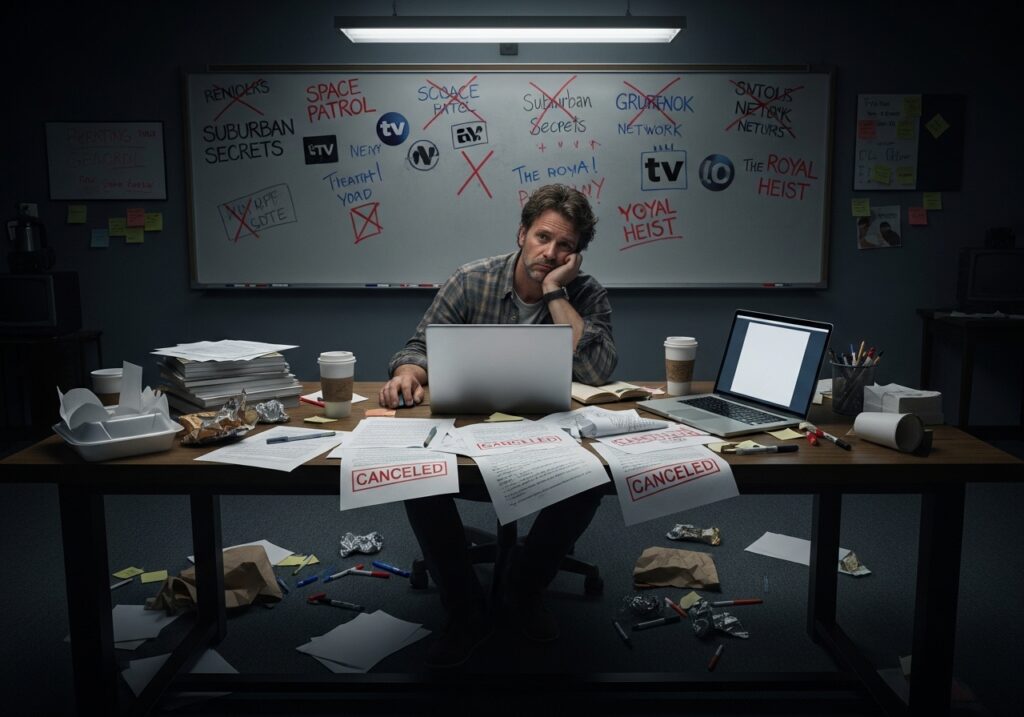
Let’s break it down. GLAAD’s new “Where We Are on TV” report says that 41 percent of LGBT characters on TV won’t be returning next year. That sounds like a lot. But that number is only so high because so many of their shows got canceled. In most cases, it wasn’t politics that killed these shows—it was ratings.
The reality is simple. People just aren’t watching these shows. Either the stories didn’t connect, or viewers got tired of the same old political messaging. Think about it. How many times have you started a show only to roll your eyes at yet another forced LGBT subplot? Even when it has nothing to do with the story, Hollywood keeps pushing it in. That gets exhausting. And people are tuning out.
GLAAD wants you to believe this is all part of a bigger problem. They say it’s because of “hateful rhetoric” and “political tensions.” But let’s not forget: they counted 489 LGBT characters on TV this year. That’s nearly 500 characters across networks and streaming platforms. Just 20 years ago, there were only 47. So representation didn’t shrink—it exploded.
Now let’s compare that to the real world. Gallup reports that only around 7 percent of Americans identify as LGBT. Yet LGBT characters make up over 10 percent of the people on TV. Some shows feature entire casts that are majority LGBT, which doesn’t match anything close to everyday American life. That’s not representation. That’s overrepresentation.
And here’s something else the mainstream media doesn’t want to talk about: the economics. Streaming services are bleeding money. Networks are cutting costs. If a show doesn’t perform, it gets axed. Plain and simple. That’s not hate—it’s capitalism. People aren’t watching, so companies are moving on.
GLAAD doesn’t like that. In their report, they warn that Hollywood needs to “double down” on LGBT stories. Double down? Even when audiences are walking away? That’s not good business. That’s pushing an agenda.
We’ve seen what happens when entertainment becomes more about activism than storytelling. Shows get dull. Characters become one-dimensional. Writers stop focusing on plot and instead focus on politics. That’s not what people want to watch. People want stories that make them feel something—joy, suspense, fear, excitement—not lectures.
And we’re not the only ones noticing. Even liberal outlets are starting to admit the truth. Many of these canceled shows didn’t fail because of hate. They failed because they weren’t very good. Or they lost steam. Or they felt like homework instead of entertainment.
So yes, some LGBT characters are disappearing from TV. But let’s be honest—there are still plenty left. And if the number drops a bit, that’s not the end of the world. It’s a sign that Hollywood might finally be waking up. It’s a sign that they’re starting to care more about making good shows again, not just checking diversity boxes.
In the end, it’s not about silencing anyone. It’s about balance. Viewers want shows that reflect real life—not just a version of life crafted by activists in a writers’ room. If GLAAD is upset that representation is returning to reality, maybe they should ask why so many people stopped watching in the first place.
The truth is, people are tired of being preached to. They want to be entertained. And Hollywood is finally learning that lesson the hard way.