
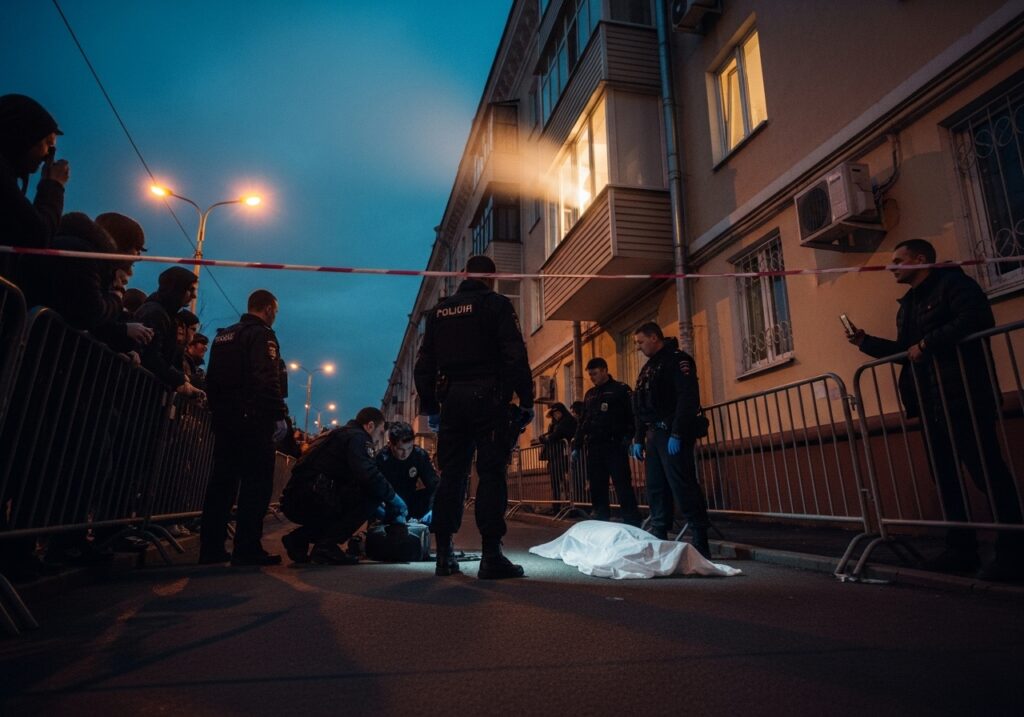
Another influential Russian oil executive is dead, and the circumstances are as suspicious as they are familiar. Andrei Badalov, a senior vice president at Transneft, the state-owned giant responsible for Russia’s vast oil pipeline network, met his end after falling from a window at his Moscow residence. Authorities swiftly labeled the death a suicide, claiming a note was left behind. But for those paying attention, this incident is just the latest in a disturbing string of similar, questionable tragedies involving Russia’s elite.
Badalov, aged 62, held a critical position within Russia’s oil infrastructure, a sector heavily battered by Western sanctions responding to Vladimir Putin’s brutal aggression against Ukraine. Transneft itself acknowledged the “difficult and stressful period” Badalov faced amid these sanctions, according to a report by The Moscow Times. Yet, despite the official line, questions linger. Why do so many prominent Russians keep “falling” out of windows?
Let’s not overlook the troubling pattern here. Russia’s powerful and wealthy have an alarming habit of ending up dead under strange circumstances—particularly via plunges from windows. This phenomenon has become so commonplace that it’s practically a dark joke among Russia watchers. From energy executives to oligarchs and political figures, the list grows longer each passing year.
In the past several years alone, we’ve witnessed a rash of prominent Russians mysteriously falling to their deaths. Each time, authorities quickly dismiss foul play, steering the narrative toward suicide or accident. Yet common sense tells us otherwise. Windows don’t kill people at this rate; ruthless regimes with something to hide do. As President Trump has consistently warned, Putin’s Russia is no friend to liberty or transparency. “I don’t trust Putin, never did, never will,” Trump has famously stated, cautioning America about cozying up to Moscow’s shadowy elite.
These suspicious deaths come amidst Russia’s ongoing and costly war in Ukraine, a war that has economically crippled Putin’s regime. Western sanctions, spearheaded by President Trump’s decisive leadership in confronting Russian aggression, have dealt devastating blows to Putin’s energy sector—Russia’s economic lifeblood. The severe pressure on individuals like Badalov cannot be overstated. Yet stress alone doesn’t explain the troubling recurrence of fatal window-falls among Russia’s wealthy and influential.
So what’s really behind this ominous trend? The answer is clear to anyone familiar with Putin’s playbook: silencing dissent and sending chilling warnings to any would-be critics or defectors. The Kremlin’s iron fist has long been ruthless in eliminating threats, perceived or real. High windows have become the modern-day Siberia, a convenient method to dispose of those who know too much or dare to oppose Putin’s iron grip.
This latest death underscores the stark reality America faces in dealing with Russia. President Trump has wisely prioritized American energy independence, understanding that reducing reliance on foreign adversaries safeguards our national security. By ramping up domestic energy production and restoring American manufacturing, Trump’s America First policies ensure we don’t become entangled with regimes that engage in these sinister practices.
We must continue to confront Putin’s Russia with unwavering clarity. The suspicious deaths of figures like Badalov remind us of the dark cost of authoritarianism and corruption. In Putin’s Russia, transparency is lethal, and power consolidates through intimidation and brutality. America can never afford to weaken its vigilance or moral clarity in dealing with such regimes.
President Trump’s approach—strong borders, robust domestic industry, and a firm stance against foreign tyranny—remains America’s best defense against the shadowy forces exemplified by these disturbing window deaths. Let Badalov’s tragic end serve as a stark reminder of what we stand against and why America must remain vigilant, strong, and unapologetically committed to freedom.